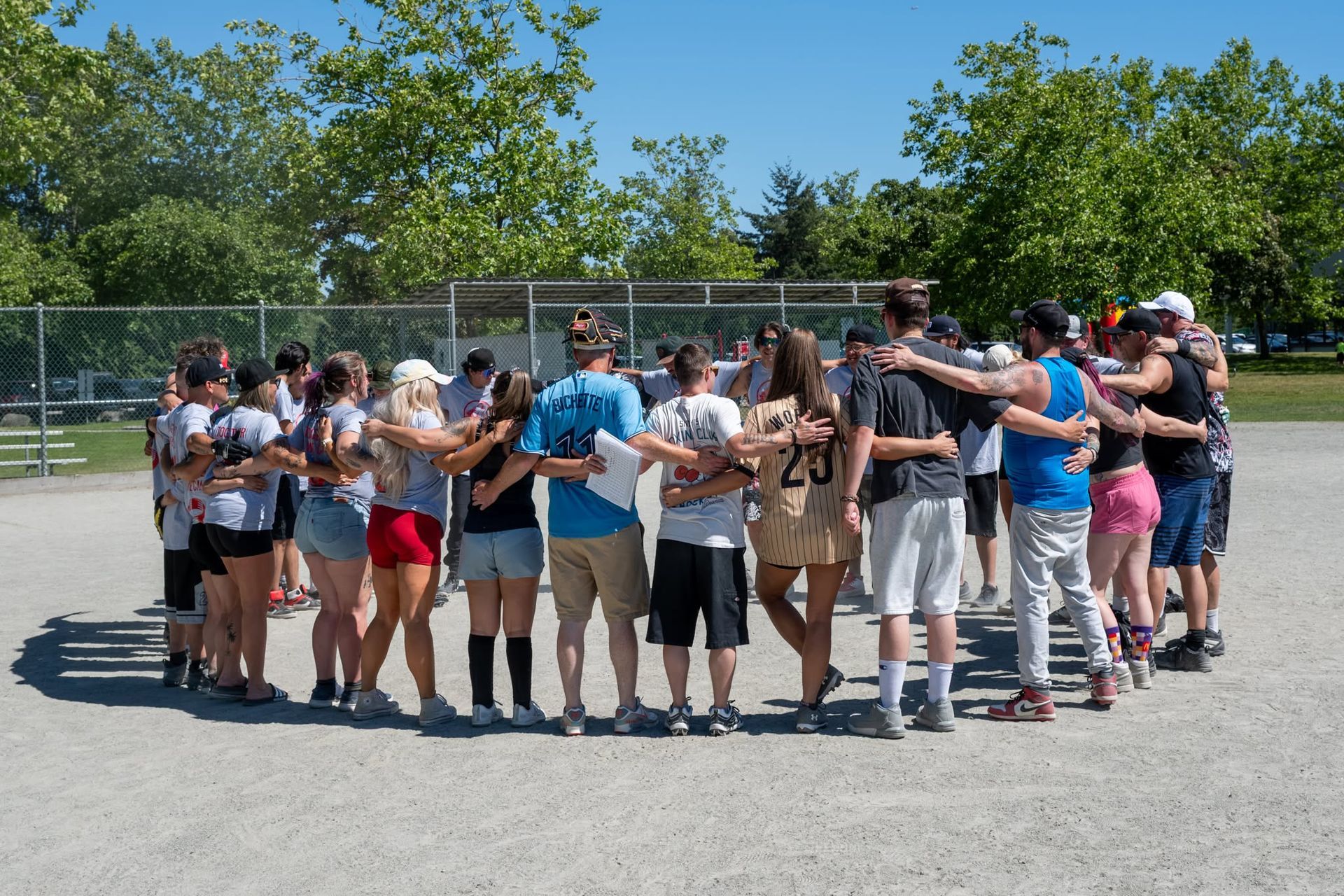
Behind every statistic is a person. A life. A family forever changed.
During these ten years, Together We Can has witnessed a tremendous amount of loss within our community. These are young men and women, as well as brothers, sisters, aunts, uncles, grandparents, and friends. Their absence is felt deeply by those who loved them, and by the communities they were part of.
According to the BC Coroners Service, more than 18,000 lives have been lost to toxic drugs since 2016, making this one of the deadliest public health emergencies in Canadian history. In recent years alone, BC has continued to see over 2,000 deaths annually, with toxic substances in the drug supply remaining the leading cause of unnatural death in the province.
These numbers are not slowing at a pace that matches the urgency of the crisis. They represent a system still struggling to meet the scale of need.
Throughout these past 10 years, we have also witnessed a tremendous amount of recovery. Individuals are celebrating years of sobriety, rebuilding their lives, and experiencing lasting change through bed-based treatment programs like Together We Can.
Supporting bed-based treatment in British Columbia is essential in saving lives and responding effectively to this ongoing crisis.
A Changing Landscape of Care
Over the past decade, Together We Can has transformed significantly in response to this crisis and the growing need for accessible, long-term recovery supports.
We have expanded from a smaller bed-based treatment model into a much broader network of care, rooted in connection, structure, and community.
Some of these milestones include:
- The opening of Northstar Recovery, our women’s treatment program, providing gender-responsive care and safety for women seeking recovery, a population that has historically been underserved
- Our merger with Miklat Recovery and the expansion of our Arbutus building, increasing access to treatment beds in Powell River, BC
- Our merger with the Charlford Society for Women, strengthening our ability to support women in our community
- Our expansion of sober living in Terrace, BC, and our partnerships to provide Indigenous-informed care to men and women across British Columbia
These expansions reflect a shared belief: recovery must be accessible, sustained, and supported by community.
However, despite this growth, the need continues to far outweigh available treatment beds and resources across British Columbia.
Recovery Ecosystem
Together We Can has collaborated with Charitable Impact to help advance the concept of the Recovery Ecosystem—a coordinated, community-based model designed to strengthen how addiction care and recovery supports are delivered.
In the current landscape, individuals and families often experience fragmented services, long waitlists, and unclear pathways between supports. The recovery ecosystem approach aims to address this by improving collaboration between health authorities, nonprofits, and treatment providers so that people can move more easily between stages of care without falling through gaps.
At its core, this model recognizes that recovery is not a single program or point of intervention—it is a continuum of coordinated supports that must work together in real time to respond to complex needs such as addiction, mental health, housing instability, and trauma.
Strengthening this ecosystem means reducing silos, improving communication between providers, and ensuring that funding and services are aligned around the needs of the individual rather than the structure of the system.
To learn more, visit: https://www.charitableimpact.com/cause-funds/recovery-ecosystem
The Cost of Care and Barriers to Treatment
The rising cost of living in British Columbia has placed increasing pressure on individuals and families seeking support, adding financial strain at a time when stability is often already limited.
Accessing treatment is not only about willingness—it is about availability, affordability, and timing. Waitlists, out-of-pocket costs, and limited immediate access can all become barriers during moments when help is most urgently needed.
We know that recovery is most successful when people are supported with timely access to care, stable housing, and ongoing community connection. Without these supports, many are left navigating crisis alone.
Together We Can recognizes that while public systems play a vital role, gaps remain in timely access to treatment and full coverage of associated costs. In some cases, private-pay funding becomes the fastest pathway into care when urgency is critical.
To help address this barrier, we created the
All Together Fund, which supports individuals who are ready for treatment but face financial obstacles. Last year, through the Rest. Recover. Rebuild. campaign, our community came together to fund 1,226 nights of treatment—directly opening the door to recovery for individuals in need.
Together We Can also operates the largest network of sober living homes across the Lower Mainland, Victoria, and Terrace, BC. These homes provide individuals with a safe, structured, and sober community as they transition back into work, school, and daily life. This stage of care is often a critical part of sustained recovery, offering stability and support rather than a return to the environments they came from.
Government Response and the Path Forward
Over the past decade, British Columbia has expanded its response to the overdose crisis through harm reduction initiatives, including naloxone access, supervised consumption sites, opioid agonist therapies, and increased investment in mental health and substance use services. These efforts have saved lives and provided critical points of connection to care.
At the same time, the crisis continues to outpace system capacity. Waitlists for treatment remain long, and access to bed-based treatment is often limited when individuals are ready to seek help.
Moving forward, continued collaboration and investment in treatment beds, early intervention, and recovery-oriented supports will be essential to meeting the ongoing need across British Columbia.
Early Intervention and Education Matter
One of the most powerful tools in addressing the overdose crisis is prevention through early intervention and education.
We must continue to invest in:
- Mental health support in schools and communities
- Early substance use education that is compassionate and stigma-free
- Family education and support systems
- Accessible pathways into treatment before crisis points are reached
When people are supported earlier, outcomes change. Families stay connected longer. Lives are saved.
Supporting Families Affected
This crisis does not only impact those using substances—it impacts entire families.
Parents, siblings, children, and partners are often left navigating grief, fear, confusion, and trauma. Many carry the weight of loss, or the ongoing worry of someone they love still struggling.
Families need support too.
We must continue to build spaces where families can access education, grief support, and hope—without shame or judgment.
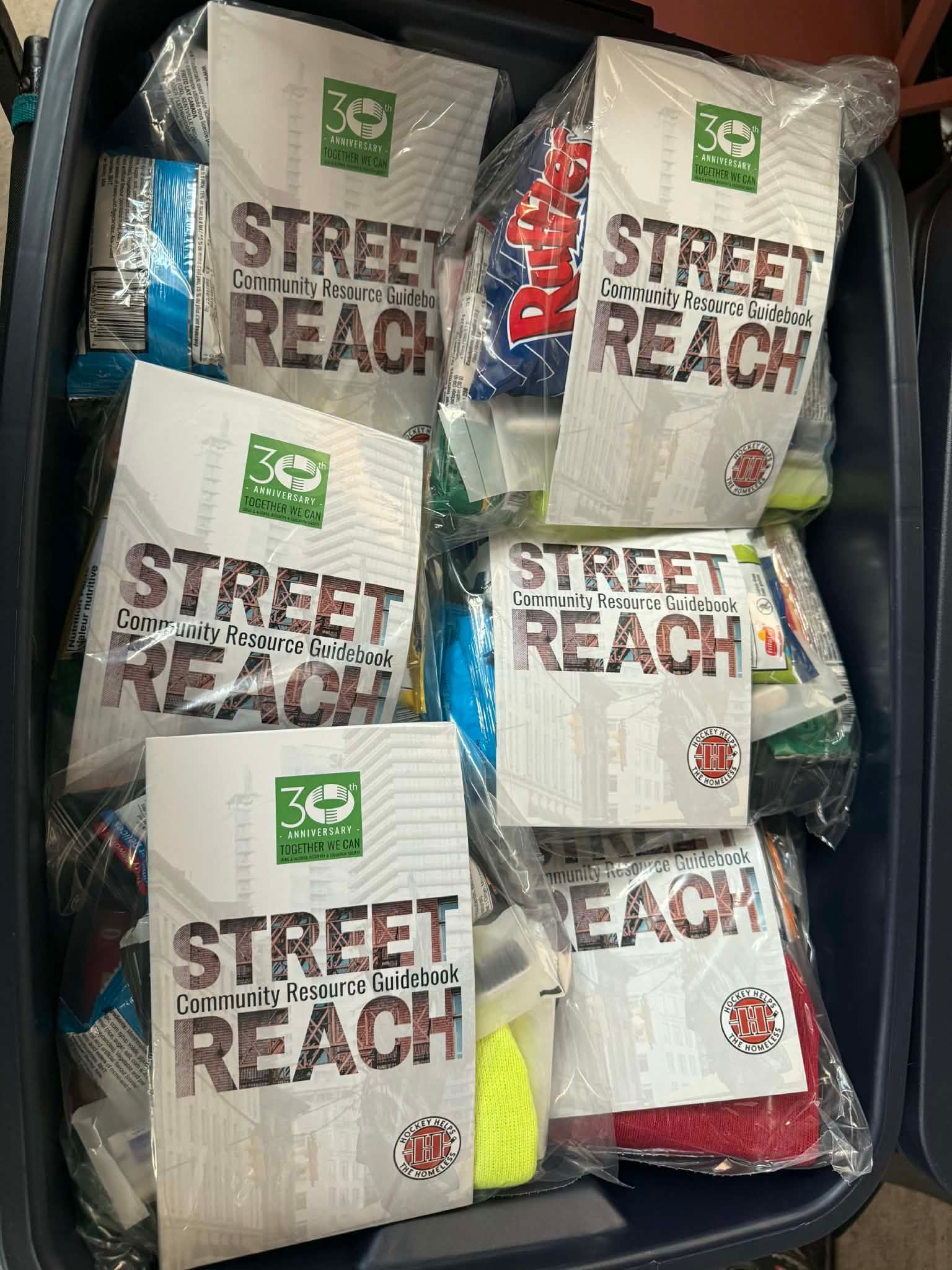
Together We Can has also been supported by Hockey Helps the Homeless to provide resource packages to individuals experiencing homelessness in Vancouver’s Downtown Eastside. These packages offer practical, immediate supports to individuals facing some of the most acute forms of crisis and instability.
Together We Can has also been providing a free family program for the last 10 years, open to the community, as well as Grief and Loss Support, Partners Support, and community events designed to bring people together.
To learn more about our Family Program, visit: https://www.twcrecoverylife.org/for-families
A Call to Action
We encourage you to support recovery in your community by doing the following:
- Learn about local treatment and recovery resources
- Support organizations that provide bed-based and community-based care
- Advocate for increased funding for treatment beds and mental health services
- Reduce stigma by speaking about addiction with compassion instead of judgment
- Check in on those around you who may be struggling
- Support and stand beside families affected by overdose and addiction loss
Every action matters. Every conversation matters.
Closing Reflection
We cannot become numb to this crisis. We must continue to act.
Behind every statistic is a life that mattered, a family that still grieves, and a community still healing. At Together We Can, we remain committed to walking alongside individuals and families through recovery—because change is possible, and hope is still real.