The Unseen Battle: PTSD and Addiction in Canada’s Veterans and First Responders

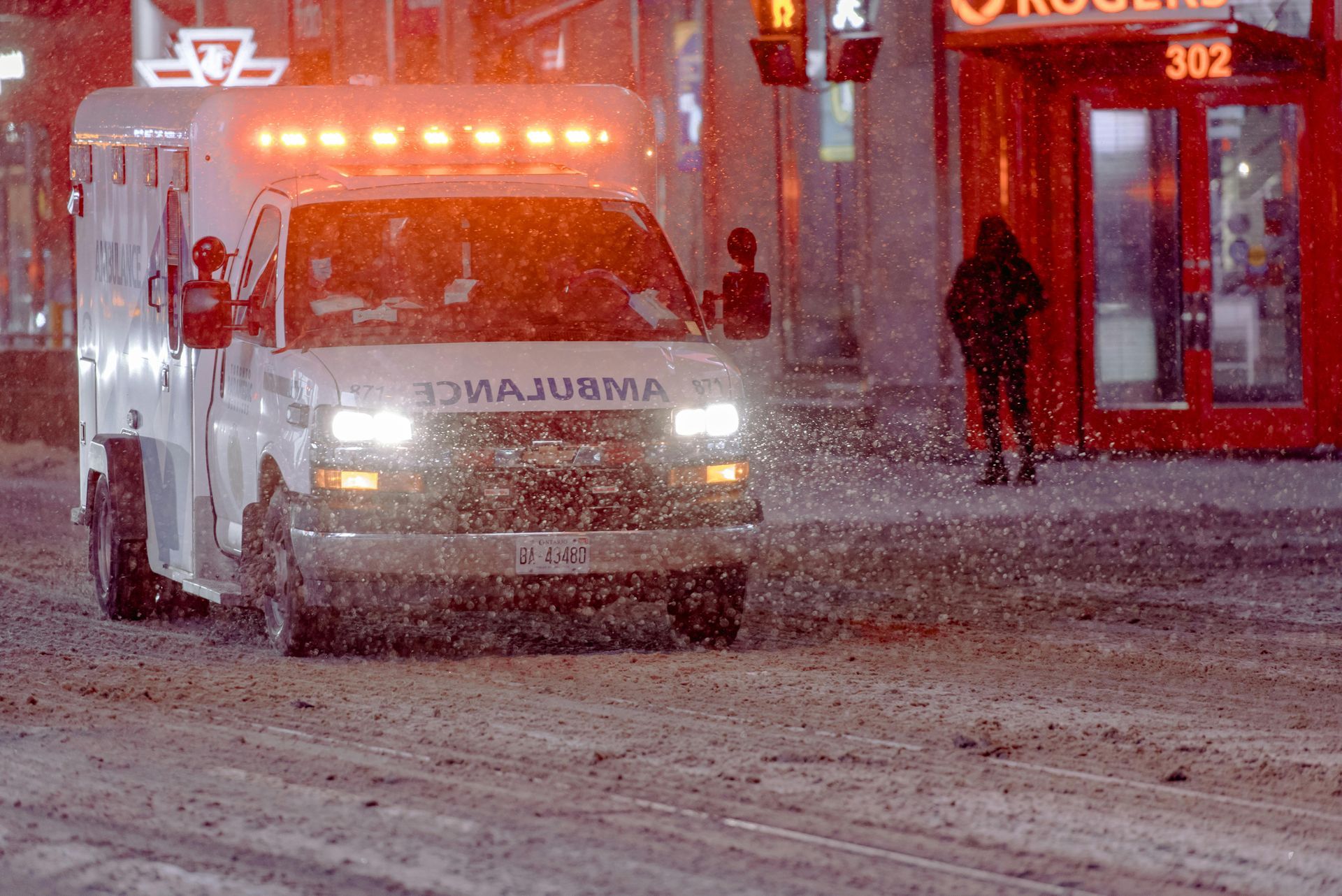
A red truck is driving down a street next to a bus.
Photo by Albert Stoynov on  Unsplash

Canada’s veterans and first responders are the brave men and women who dedicate their lives to protecting our communities and our country. They face unimaginable dangers and witness traumatic events that most of us will never experience. While their courage and resilience are undeniable, many carry hidden wounds that run deep — the invisible scars of post-traumatic stress disorder (PTSD) and the often-associated struggle with addiction.

Understanding the Link: Why PTSD and Addiction Often Go Hand-in-Hand

PTSD is a mental health condition that can develop after experiencing or witnessing a terrifying event. Symptoms include flashbacks, nightmares, severe anxiety, and uncontrollable thoughts about the event. For veterans and first responders, these events might involve combat situations, natural disasters, serious accidents, or witnessing human suffering and death.

To cope with the overwhelming emotional and psychological distress, some individuals may turn to substances like alcohol or drugs. This self-medication provides temporary relief from the pain, numbing the intrusive thoughts and memories. Unfortunately, this coping mechanism often spirals into addiction, creating a complex and dangerous cycle.

Here’s why PTSD and addiction are so intertwined:

  • Self-Medication: Substances can temporarily mask the symptoms of PTSD, offering a sense of escape or control.
  • Shared Brain Pathways: Both PTSD and addiction affect similar areas of the brain, particularly those involved in reward, stress response, and impulse control.
  • Trauma History: Individuals with a history of trauma, such as childhood abuse or neglect, may be more susceptible to both PTSD and addiction.
  • Social Isolation: Veterans and first responders may experience social isolation due to the nature of their work or the stigma associated with mental health, increasing their vulnerability to substance abuse.

Breaking the Cycle: Why Traditional Addiction Treatment Isn’t Enough

While traditional addiction treatment programs can be effective for some, veterans and first responders often require a more specialized and comprehensive approach. This is because:

  • Underlying Trauma: Addiction treatment must address the root cause of the substance abuse, which in many cases is untreated PTSD.
  • Trust and Safety: Veterans and first responders may have difficulty opening up and trusting others, especially in traditional group therapy settings.
  • Unique Challenges: They may face specific challenges related to their professional identity, such as loss of control, guilt, or moral injury.

A Therapist-Involved Approach: The Key to Healing

A therapist-involved approach is crucial for breaking the cycle of PTSD and addiction in veterans and first responders. This involves:

  • Individual Therapy: Provides a safe and confidential space to explore trauma, develop coping mechanisms, and address underlying emotional issues.
  • Trauma-Informed Care: Recognizes the impact of trauma and creates a supportive environment that promotes healing and avoids re-traumatization.
  • Specialized Therapies: Evidence-based therapies like Cognitive Processing Therapy (CPT), Prolonged Exposure (PE), and Eye Movement Desensitization and Reprocessing (EMDR) can be highly effective in treating PTSD.
  • Group Therapy with Peers: Connecting with other veterans and first responders who understand their experiences can reduce feelings of isolation and shame.
  • Dual Diagnosis Treatment: Addresses both PTSD and addiction simultaneously, recognizing the interconnectedness of these conditions.

Finding Hope and Healing:

For veterans and first responders in Canada seeking specialized care for PTSD and addiction, Together We Can in British Columbia offers a beacon of hope. Their programs are designed to address the unique needs of this population, providing a safe and supportive environment for healing and recovery.

Lifeline is a free support at Together We Can, overseen by Caleb Schearer, part of our clinical care team, that offers a weekly group program incuding:

  • Peer support
  • Group discussions
  • Coping skills training
  • Resources & referrals

For those ready to dig a little deeper, a team of experienced therapists and a focus on trauma-informed care, Together We Can offers a comprehensive range of services, including:

  • Individual and group therapy
  • Evidence-based trauma therapies
  • Addiction treatment programs
  • Family support services
  • Aftercare planning

Together We Can understands the challenges faced by those who have served our country and communities. Their compassionate and individualized approach empowers veterans and first responders to reclaim their lives and find lasting recovery.

Taking the First Step

If you or someone you know is struggling with PTSD and addiction, reaching out for help is the first step towards healing. Remember, you are not alone. There are resources available, and recovery is possible. Contact Together We Can today to learn more about their programs and begin your journey to a healthier, happier future.

Resources:


The Unseen Battle: PTSD and Addiction in Canada’s Veterans and First Responders was originally published in Together We Can on Medium, where people are continuing the conversation by highlighting and responding to this story.

By Sonaiya Wilson April 14, 2026
Over the past decade, British Columbia has been at the centre of a public health emergency that has touched every community across the province—the toxic drug and overdose crisis.
By Sonaiya Wilson March 20, 2026
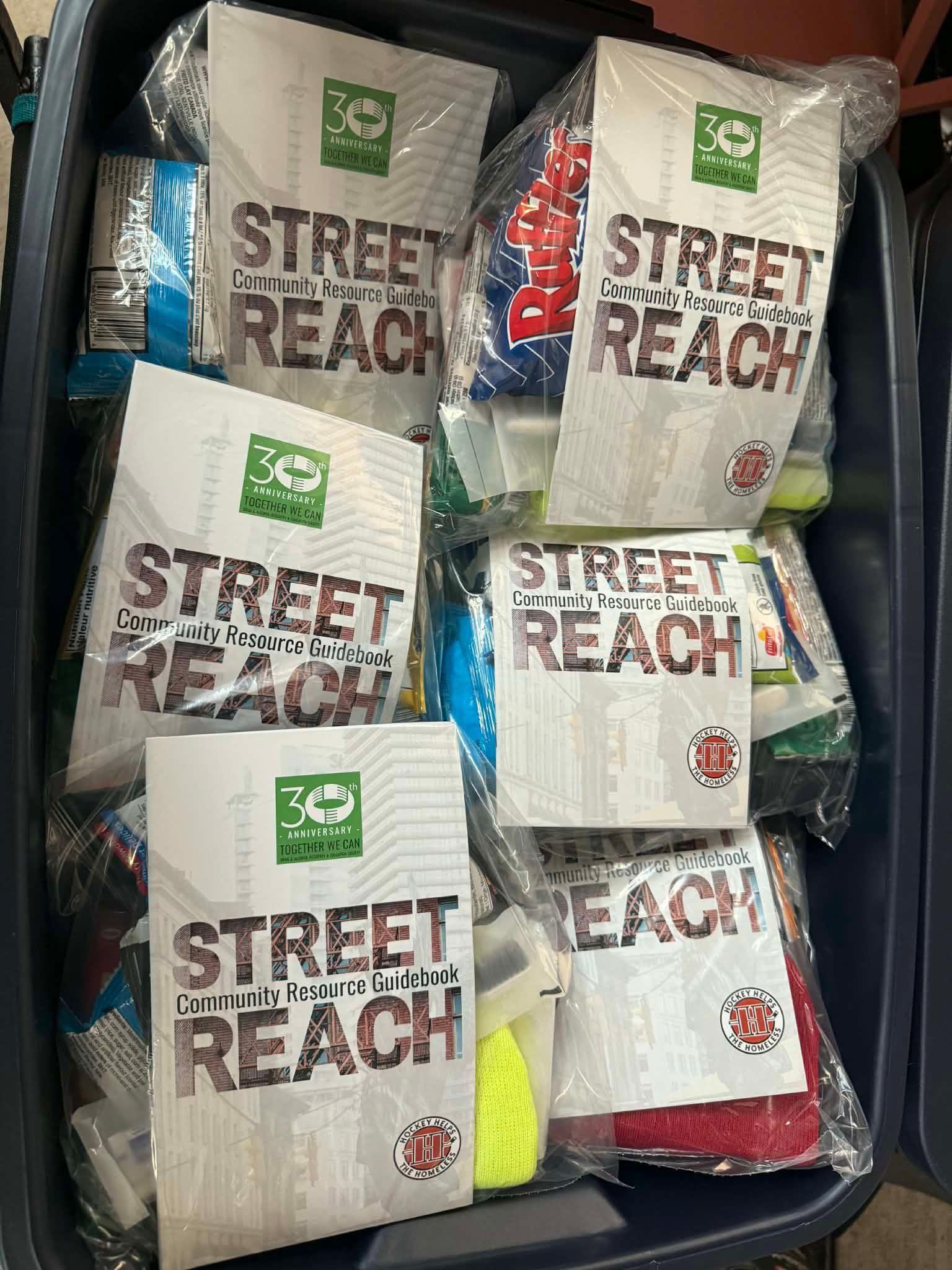
The Together We Can Street Reach Project is a staff and volunteer-led initiative dedicated to supporting individuals experiencing homelessness in Vancouver and surrounding areas. Our team assembles care packages filled with essential items, along with resource booklets listing shelters, treatment centres, and other vital services. During our outings, we walk along the Downtown Eastside, handing out 100–200 care packages at a time. In Canada, nearly three-quarters of people experiencing homelessness are also facing mental health and/or substance use challenges , highlighting the urgent need for accessible, compassionate support in the community.  We’ve also extended our reach to the Whalley District in Surrey, partnering with our friends at Back On Track Recovery to ensure more people have access to the support they need. Last year, we hosted a special event at Oppenheimer Park, inviting other organizations to provide resources and information to the community. Together, we handed out pizza, care packages, and shared the work of Together We Can with those we met.
By Sonaiya Wilson March 19, 2026
Together We Can Addiction Recovery & Education Society and Charlford House are proud to announce the opening of Thelma’s Place , a 14-bed women’s sober living residence in Vancouver designed to support women as they continue their recovery journey.